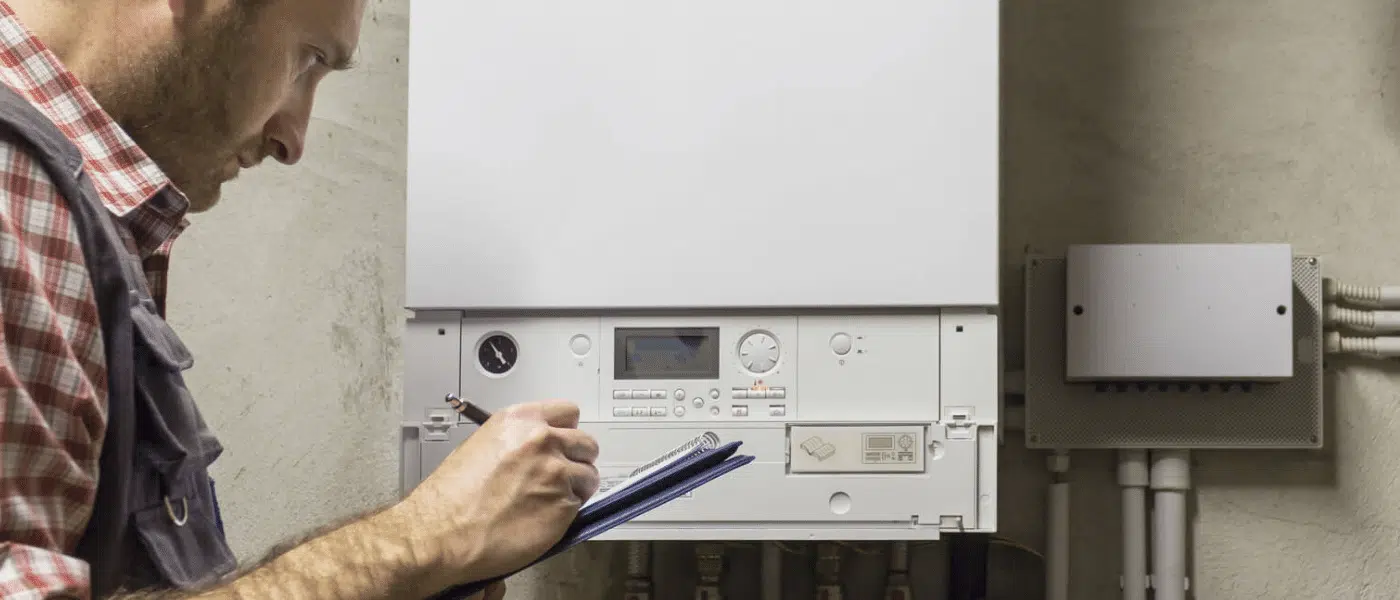
A boiler benchmark is essentially a record of the readings the boiler took when it was installed. The boiler readings and the installer’s information should be included in the checklist. It is a document you receive when you purchase a new boiler, or it may even be printed on the back of the manufacturer’s instructions.Engineers can use it as a reference point to see how the boiler worked when it was first installed. The benchmark boiler also has a space where you may keep track of the annual boiler maintenance. This indicates to any future engineers that the boiler has been properly maintained. Proof that the boiler has been serviced and is still covered under the boiler warranty.
What is a Benchmark Certificate?
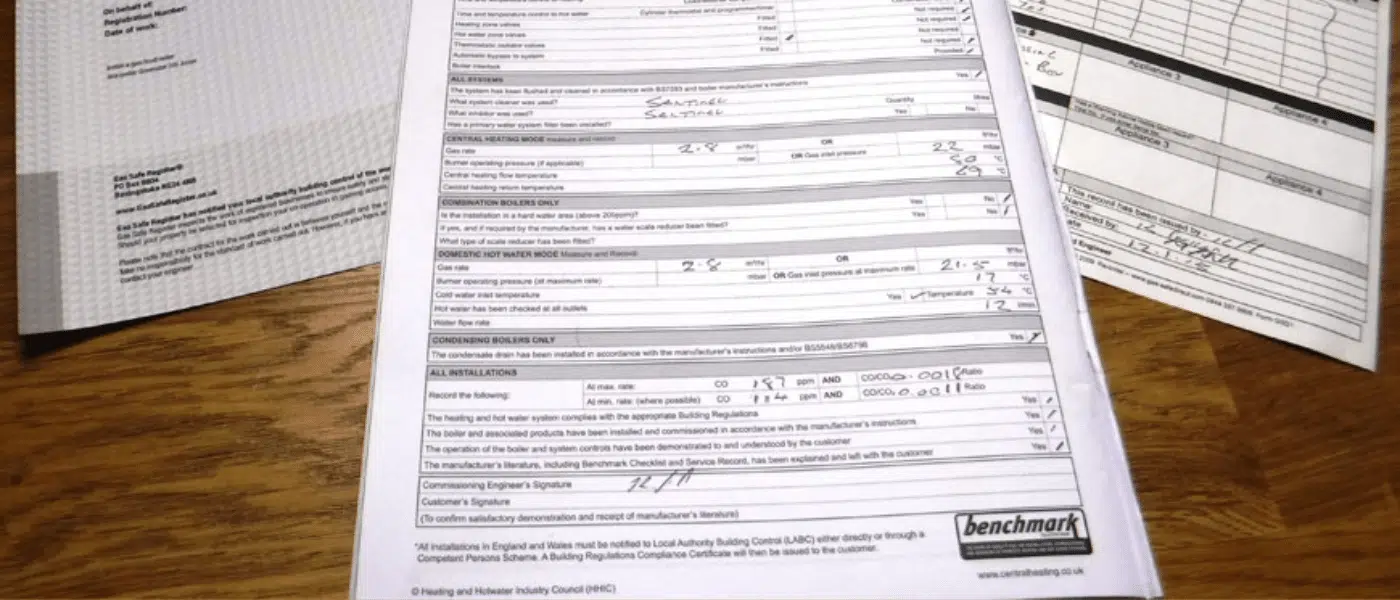
A benchmark is an established, nationally recognized scheme that assigns manufacturers and installers the duty of ensuring that residential heating and hot water equipment are installed, commissioned, and maintained in conformity with England and Wales’ Building Regulations.
Using Benchmark, manufacturers and installers are held accountable for ensuring that household heating and hot water systems are installed and serviced in conformity with the Building Regulations in England and Wales.
Hot water storage cylinders, Water purification goods, and solar thermal systems are all included in Benchmark. Without a benchmark, manufacturers cannot assure that their products are installed and maintained in compliance with their installation and building codes.
Your boiler warranty will be void if you don’t have a completed benchmark checklist and an up-to-date service record. As a result, any boiler repairs you require will be more expensive.
How Long Does It Take To Commission a Boiler?
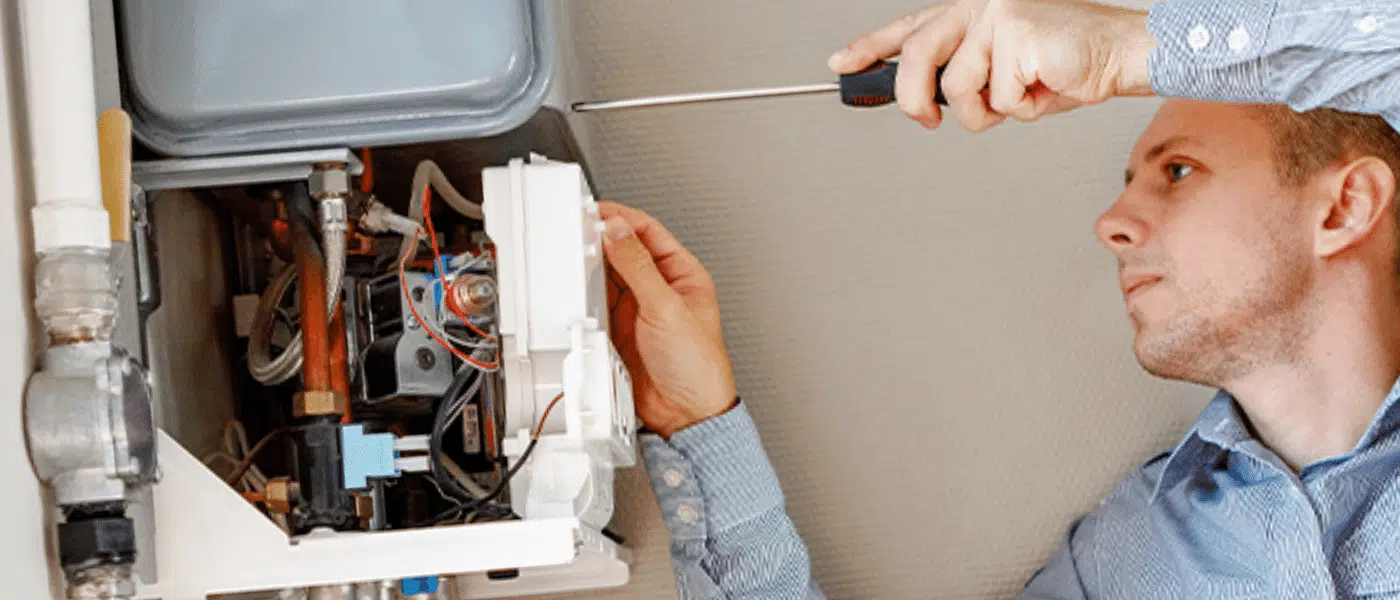
The average time for each boiler module is one hour; however, this can vary greatly depending on the location and the installation. As soon as a new boiler is installed, it must be tested and then commissioned by a gas-safe licensed installer, which is done by following the Heating and Hot Water Council’s boiler commissioning checklist (HHIC).
Boiler commissioning enables you to get the most out of your heating and hot water systems by implementing safeguards to prevent common boiler problems. During the boiler commissioning process, your new boiler is checked to ensure it is installed and set up appropriately. In addition, several boiler commissioning checklists must be completed by the engineer.
What is a Benchmark Commissioning Sheet?
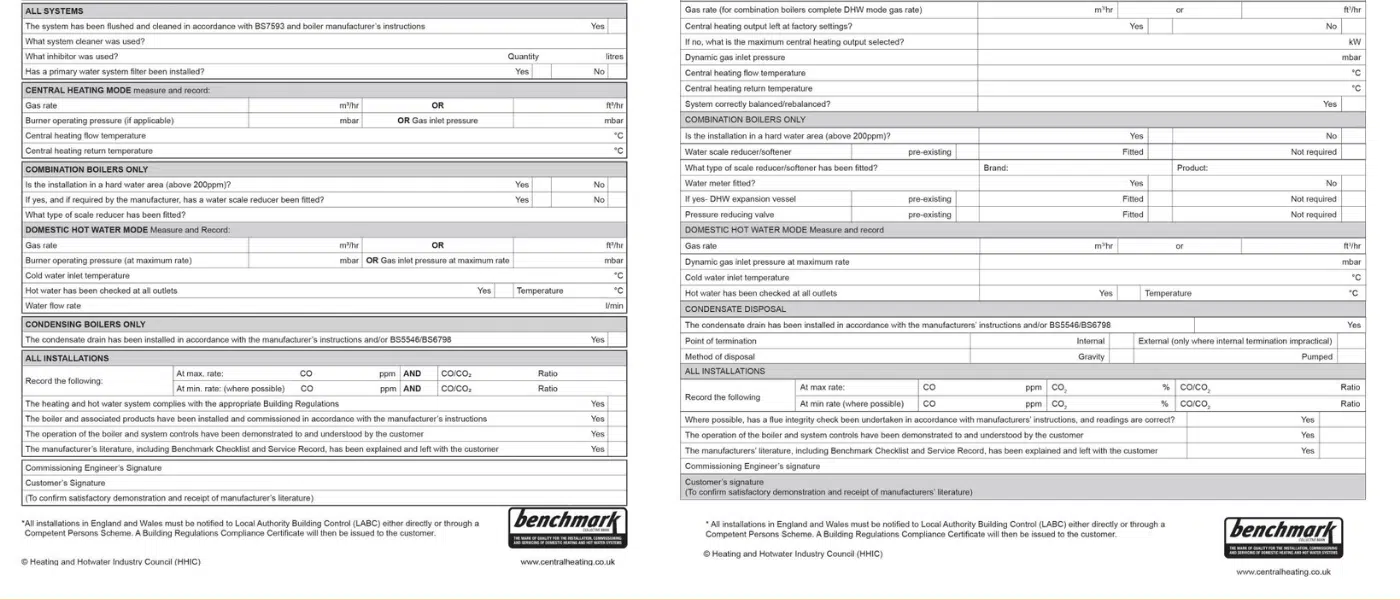
You’ll need documentation like the benchmark commissioning checklist to show that the boiler was installed correctly. After the engineer has done installing your product, they will go through the Benchmark commissioning checklist.
You can find this checklist in the back of the manufacturer’s instruction manual. The checklist proves that the installer is knowledgeable, qualified, and committed to providing high-quality work.
How to fill out the boiler benchmark?
The Gas Engineer should fill out the Boiler Commissioning Checklist after the following procedures:
1. System wash
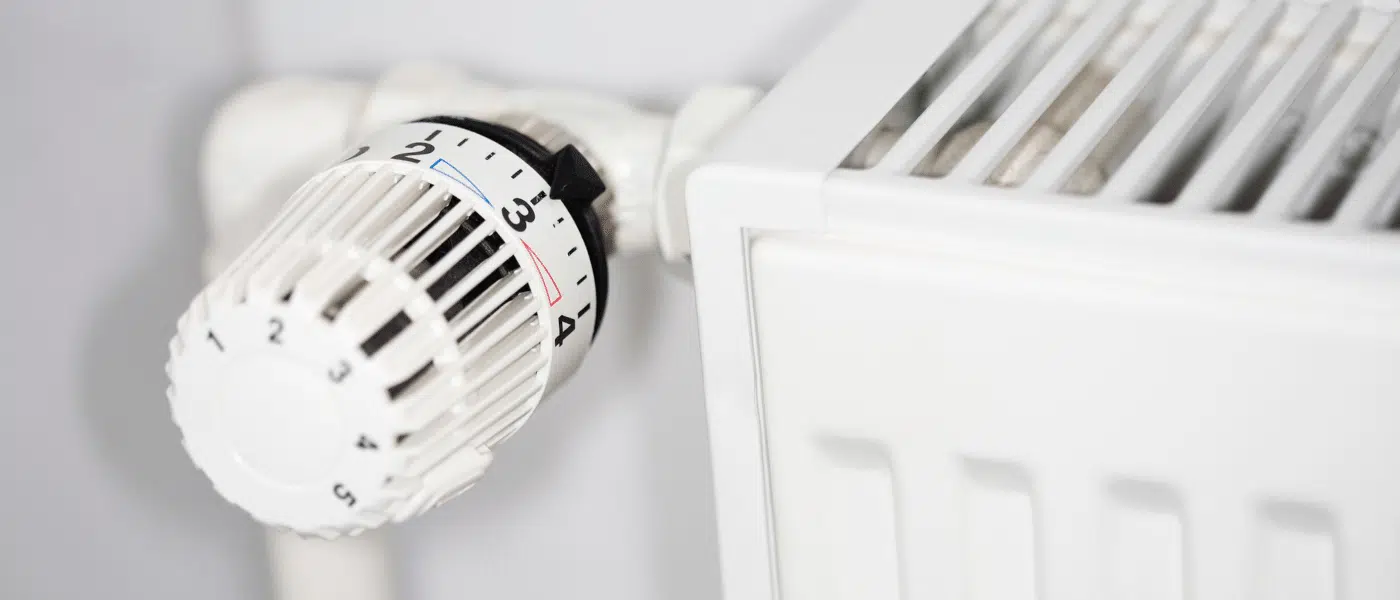
Heating systems must be cleaned after installation following the manufacturer’s recommendations. This will prevent Black Magnetite from entering the heat exchanger of your new boiler.
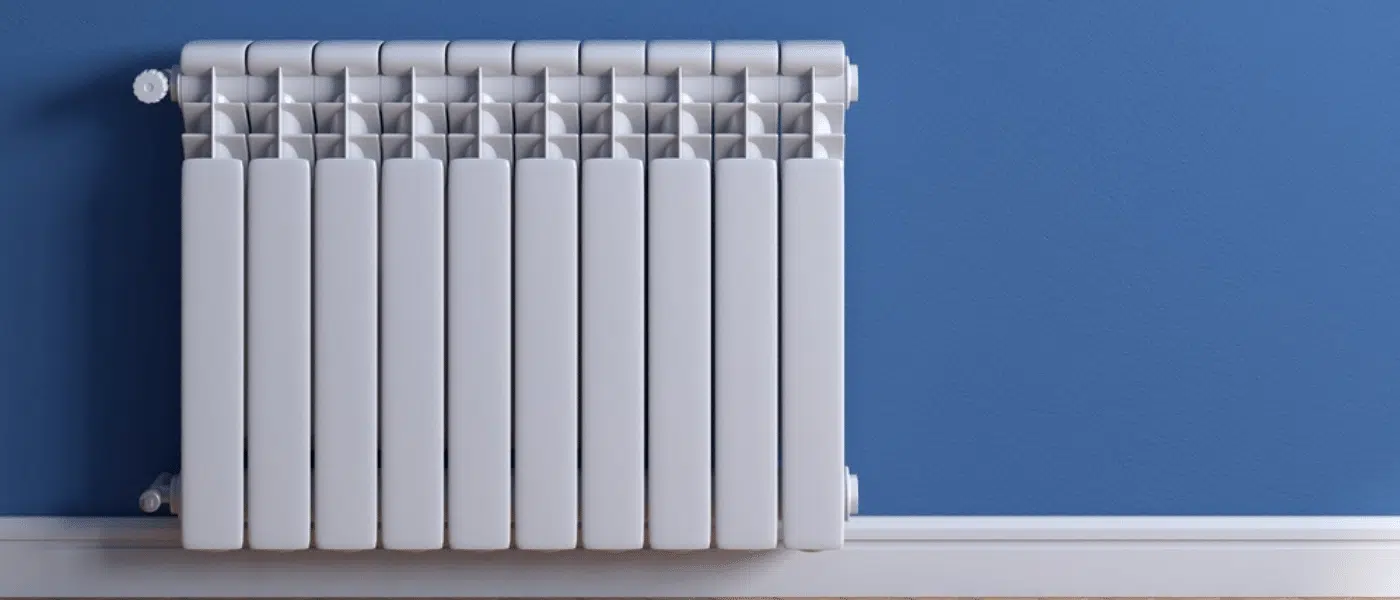
2. Add corrosion inhibitor
3. Gas Flue Analyzer Test
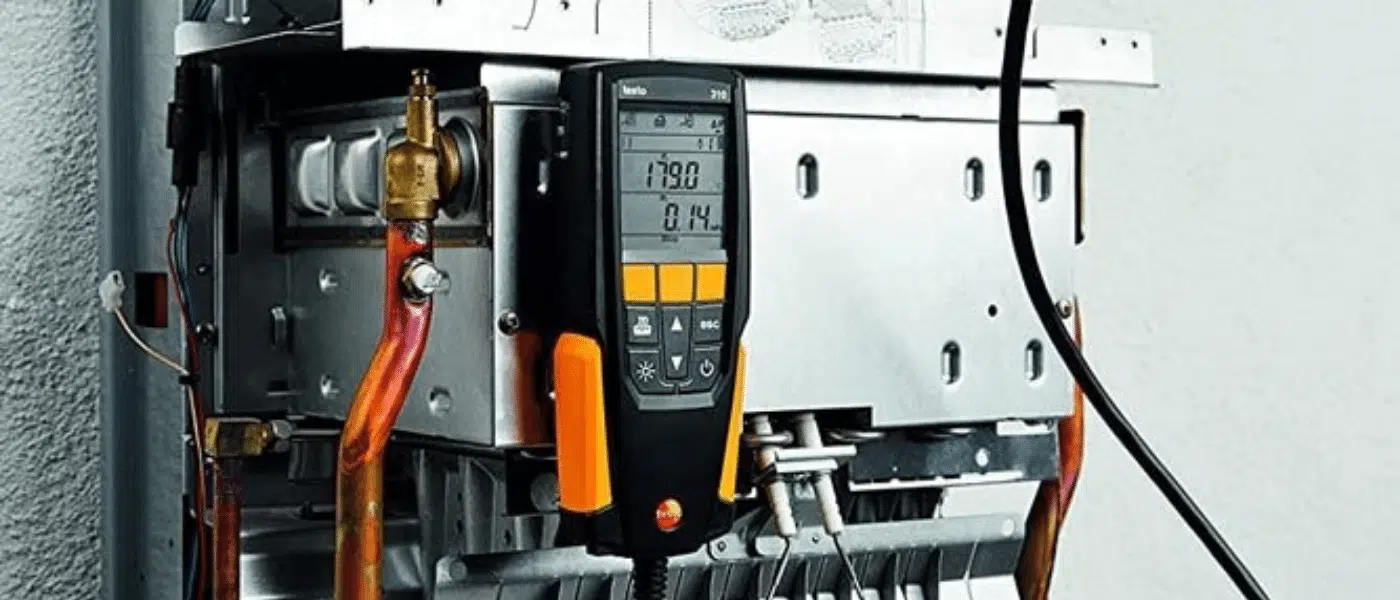
Flue gas analyzer tests detect flue gasses. All analyzer findings must be included in the benchmark book for your new boiler installation. All boilers are factory set, although readings can be off. Your engineer will take readings and tweak your new boiler until it meets your needs.
4. Gas rate tolerance of boiler
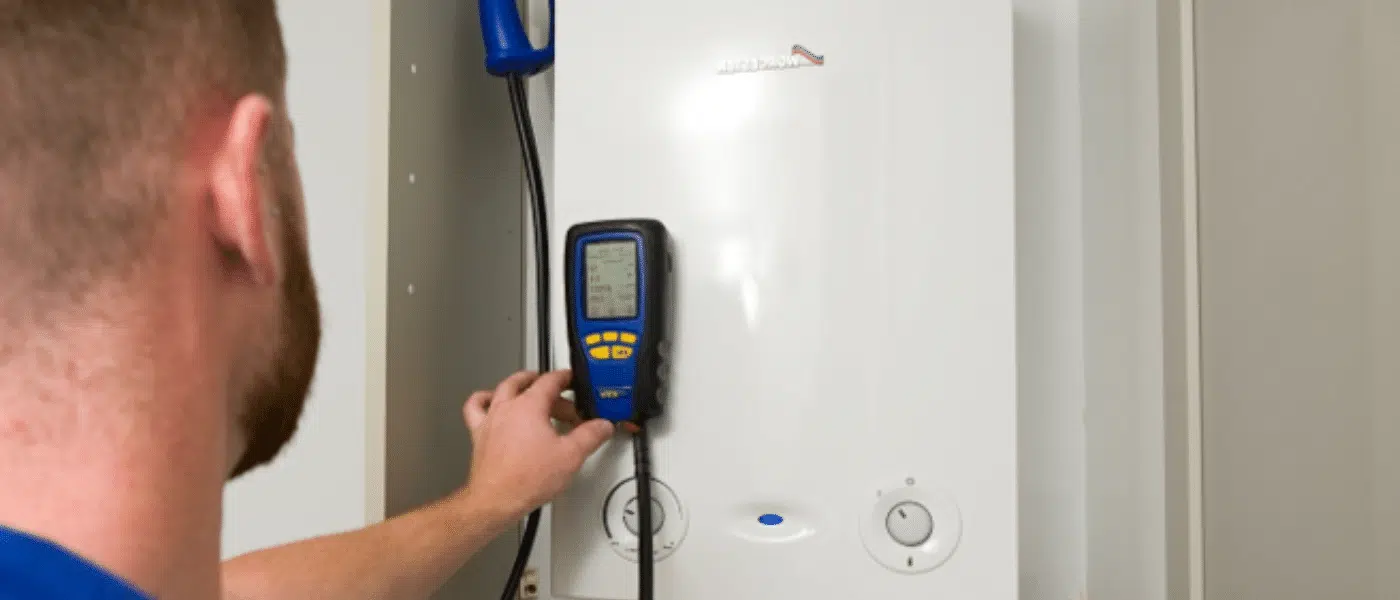
To ensure everything is in order, the engineer must take a gas reading (gas rate boiler) since sometimes the pipe diameter may not always be the correct one. This will also assist in keeping the pipe clear and the system working efficiently.
5. Adjusting boiler output
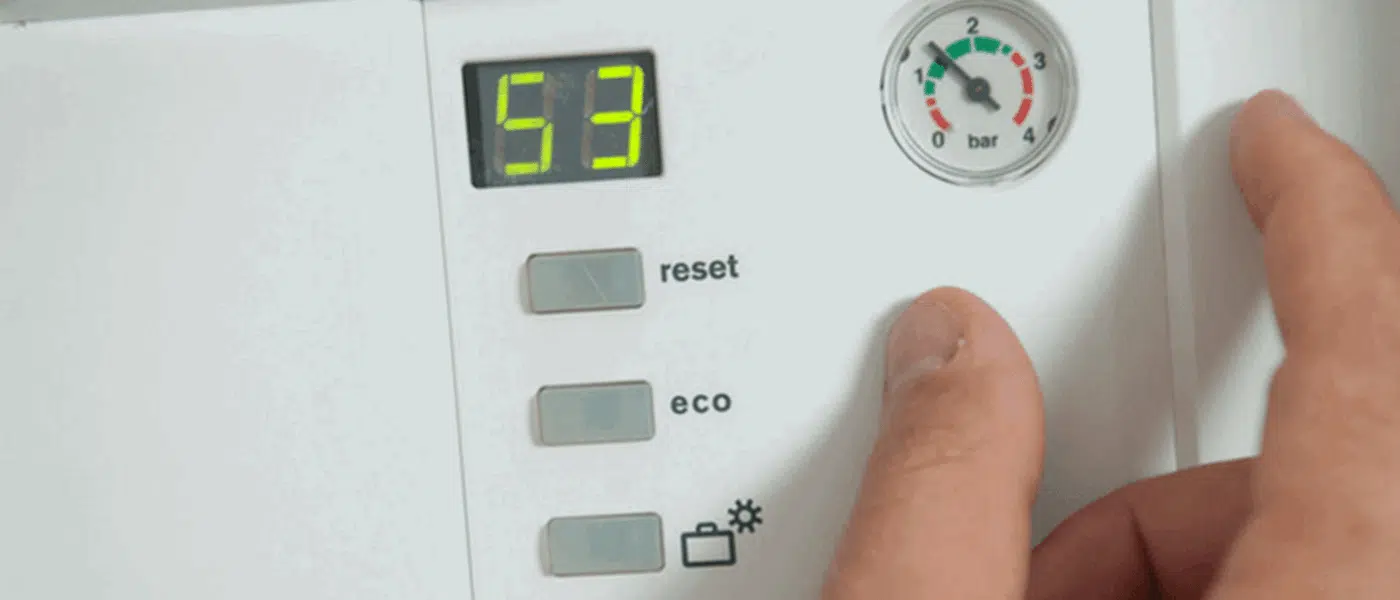
Your boiler must be configured to your home’s size and radiator count to ensure energy efficiency and proper radiator heating; This helps ensure the boiler isn’t overrunning and saves energy consumption.
6. Gas tightness test
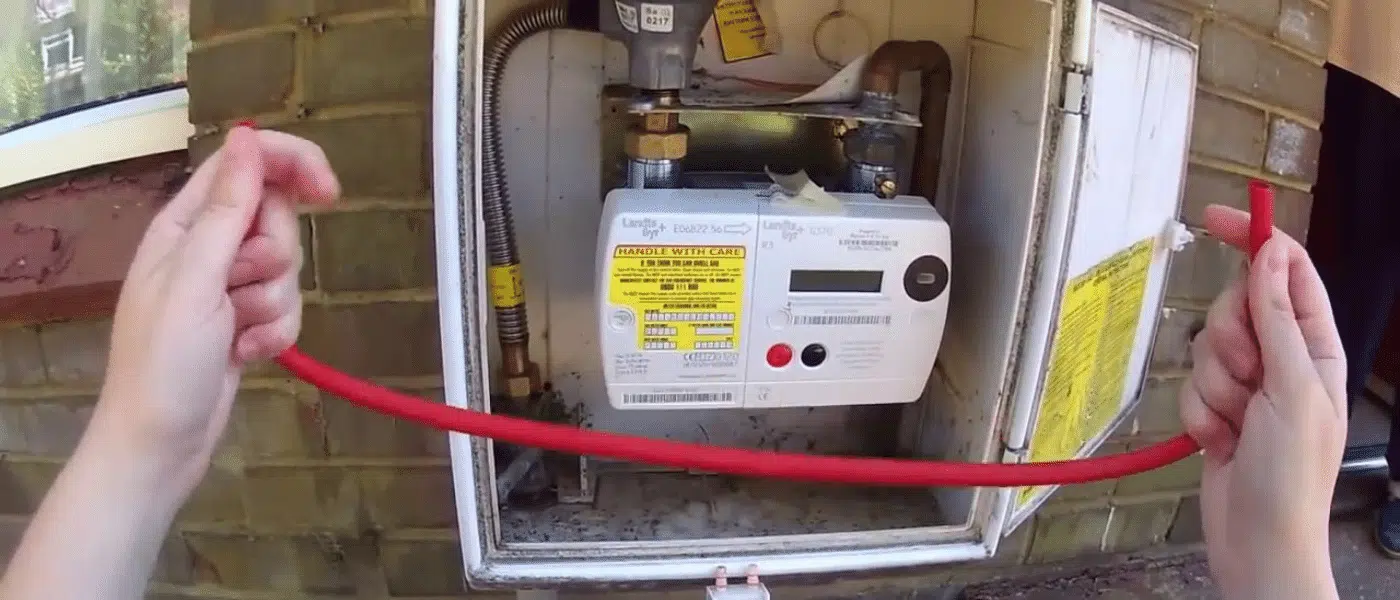
Pressure in a home’s pipe is measured using a gas tightness test. It’s done to ensure gas pipelines are safe and won’t lead to an unsafe situation. In addition, this prevents leakage and additional repair costs.
7. Registering and explaining your guarantee


 07900 930999